

Kanthal works closely with customers to help them reduce their emissions while maintaining high operational efficiency. Applying the same standards within our own operations is therefore a fundamental part of how we conduct our business.
In 2025, Kanthal reduced CO₂ emissions by 57 percent compared to our 2019 baseline. As recently as last year, the Science Based Target Initiative (SBTi) had validated our 2030 target of 54%. We have now surpassed that target five years ahead of schedule.
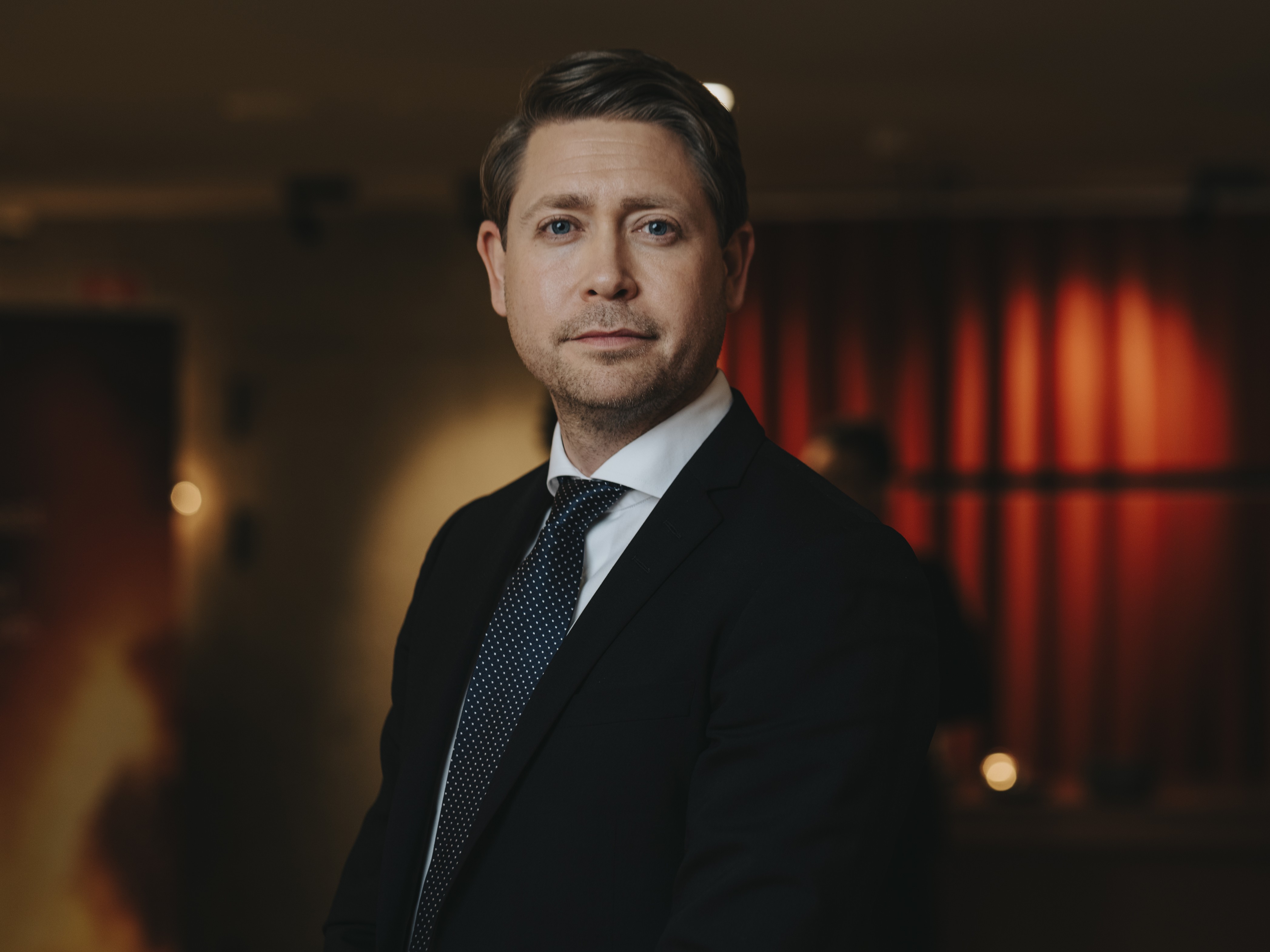 Robert Stål, President, Kanthal.A key driver of this progress has been the electrification of our processes, combined with a transition to certified fossil-free electricity.
Emissions are categorized into three scopes.
- Scope 1: direct emissions from sources owned or controlled by the company.
- Scope 2: indirect emissions from purchased electricity, heat, or steam.
- Scope 3: other indirect emissions across the value chain.
Kanthal is addressing all three scopes. In practical terms, reducing Scope 2 emissions has proven to be one of the most effective levers for progress.
Kanthal has purchased electricity certificates for a range of our production units for several years. From 2025, we are covering all our global electricity purchasing. These certificates guarantee that the electricity originates from fossil-free energy sources. Since then, our emissions curve has shown a marked decline.
With all efforts combined, we have exceeded our original 2030 reduction target five years ahead of plan. This outcome provides a strong foundation for raising our level of ambition.
We are especially proud that while reducing our emissions with 57% we have during the same period grown our business with 40%.
“We are especially proud that while reducing our emissions with 57% we have during the same period grown our business with 40%. Decoupling our business growth from environmental impact,” says Robert Stål, President, Kanthal.
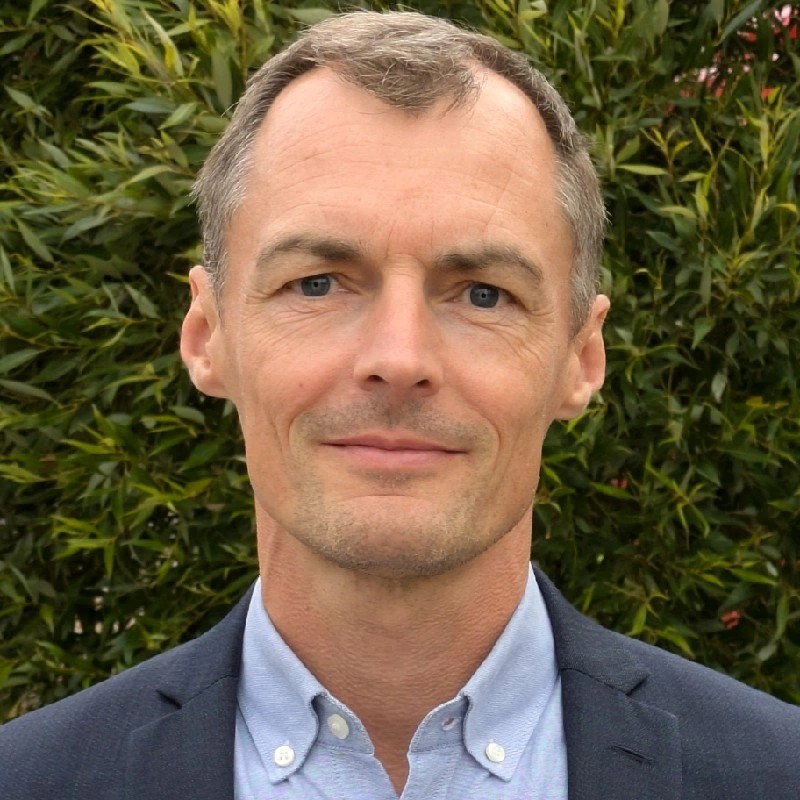 Nicolai Schaaf, Sustainability Manager, Kanthal.Activities aimed at further reducing our emissions have been identified and incorporated into the units’ local sustainability roadmaps. These include additional electrification of heating processes, reducing emissions from district heating, and adjustments to production processes and transportation methods.
"We already have a very high degree of electrification. With the ambition to ultimately phase out fossil fuel combustion, electricity is our key source of energy. That makes the sourcing of fossil-free electricity a central part of our climate strategy,” says Nicolai Schaaf, Sustainability Manager at Kanthal.
With this roadmap in place, attention is now turning to Scope 3 emissions associated with raw materials. Closer collaboration with suppliers and increased use of recycled materials will be central to the next phase of our work.