

As these gaps are filled with electric alternatives, the entire pathway from ironmaking to finished steel becomes clearer, bringing us much closer to completing the puzzle.
Downstream processes ready to switch to electric heat today
Kanthal has been a leader in electric heating technology for over 90 years, offering a wide range of electric heating solutions. We produce resistance heating materials such as Kanthal® FeCrAl and Nikrothal® NiCr. We also specialize in metallic heating elements made from NiCr and FeCrAl alloys, as well as ceramic elements like Kanthal® Super Molybdenum Disilicide (MoSi₂) and Globar® Silicon Carbide (SiC). With extensive expertise in industrial applications, pilot-scale testing, and modeling, we continue to advance the field of electrification.
We can customize our products and designs to meet specific needs. We also offer comprehensive solutions that encompass the entire steel production process, allowing steelmakers to achieve sustainability goals while remaining competitive in a challenging industry.
Three processes are prepared to transition to electric heat today:
Dilip Chandrasekaran, Senior Vice President and Director of Business Development at Kanthal, explains, “Most steel companies recognize that electric heating elements are not only powerful enough but also enhance thermal efficiency and the work environment while contributing to quality improvements. Once a steel company is ready to switch to electric, we can assist with the rest.”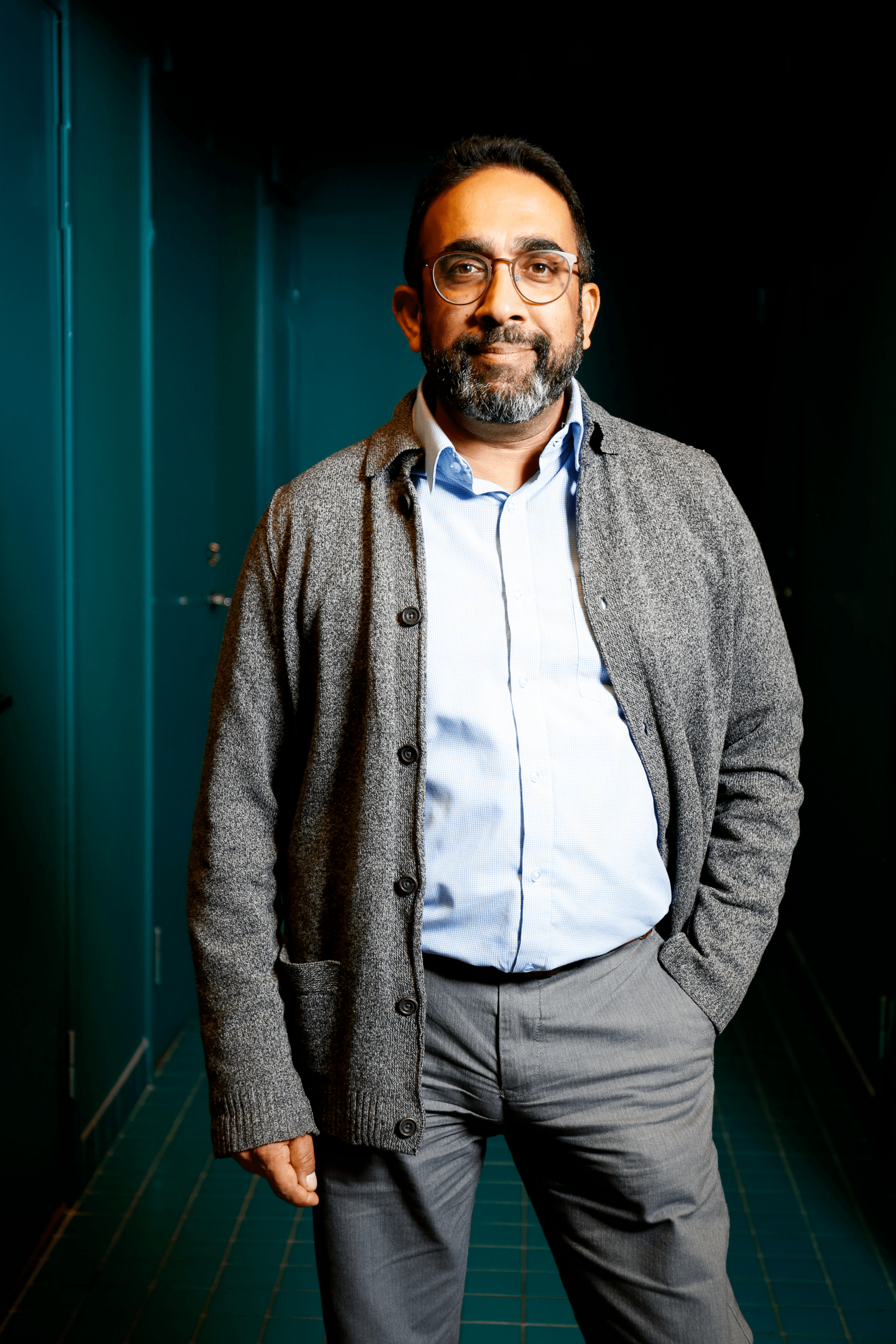 Dilip Chandrasekaran, Senior Vice President and Director of Business Development, Kanthal.
“You can retrofit an existing furnace simply by replacing the gas burners with tubes and electric heating elements and making a few small modifications,” Chandrasekaran states. This approach allows producers to cut emissions without replacing entire furnace systems.
Upstream ironmaking under development: Electric process gas heating for DRI
Upstream ironmaking remains one of the most challenging areas to electrify due to the high temperatures and power levels required. To address this, we have developed a direct electric process gas heater called Prothal® DH. We partnered with Danieli to scale this heater from pilot to full industrial size.
The shared goal is to prepare the heater for future use in hydrogen-ready Energiron DRI plants. Prothal® DH has been tested and verified at pilot scale, with the next step being capacity development in the hundreds of megawatts. The heater is being designed for hydrogen, natural gas, and mixtures, supporting both new plants and retrofits of existing DRI systems.
A one-megawatt heater based on Prothal® DH will be supplied to Emsteel in Abu Dhabi. It will electrify part of the heating stage in the company’s Energiron DRI plant, marking the first commercial use of this technology.
Chandrasekaran, who has overseen this development, notes, “After years of research, designing, and testing, the solution is now ready for industrial-scale validation. We are building on proven technology, but at a scale never before attempted.”
How the equation is completed
While the EAF has already transformed the core of steelmaking, the full process won’t shift to low-emission operations until the heating stages before and after the EAF switch to electric power. Kanthal’s work targets these two points.
- Electric heating elements for downstream lines ready for electrification today.
- Electric process gas heating for DRI in development through Prothal® DH in partnership with Danieli.
These steps create a continuous electric route from ironmaking to finished steel. The process remains familiar, but the thermal load transitions toward clean electricity instead of fossil fuels, without disrupting existing operations.
Once both ends of the process shift toward electricity, the EAF no longer stands alone in achieving sustainability. It becomes part of a connected process powered by clean energy sources. This completes the journey from DRI to finished steel, offering producers a clear and realistic path to emission-free steel.