

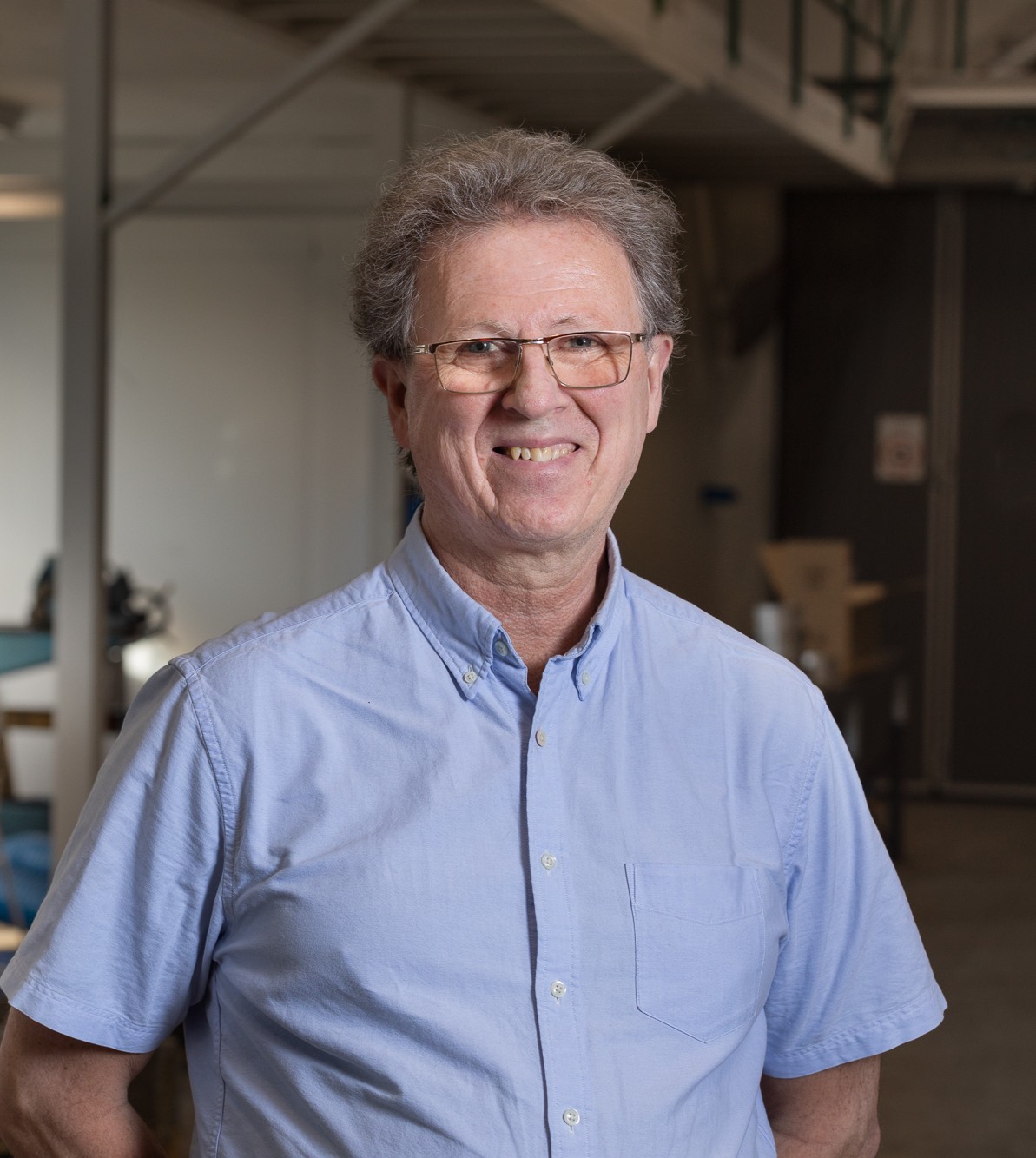
 Thomas Lewin, Senior Design Engineer, Kanthal.Thomas Lewin, Senior Design Engineer at Kanthal, sheds light on the critical parameters that determine which heating element will be the perfect fit for your process.
“Start with the process temperature, it tells you immediately whether you're in metallic, silicon carbide, or molybdenum disilicide territory,” explains Lewin. “From there, it's about atmosphere compatibility, element design, and how much thermal cycling your process demands.”
The comparison below merges these three families. Which material fits the temperature range? How each performs under stress and cycling. What atmospheres do they tolerate? Where each is already proven. This provides engineers, buyers, furnace builders, and operators with a clear path to choosing the right heating solution for a specific process.
Heating element comparison
| Overall comparison | |||
| Feature | Kanthal® Super (MoSi₂) | Metallic (FeCrAl and NiCr) | Globar® (SiC) |
| Temperature class | Ultra-high temperatures | Mid-range, most general applications | High power at high temperatures |
| Max element temperature | Up to 1,850°C (3,360°F) | Up to 1,425°C (2,600°F) | Up to 1,625°C (2,957°F) |
| Atmosphere capability | Oxidizing, inert, reducing, carburizing, nitriding | Oxidizing, neutral, flue gases, carburizing | Oxidizing, some reducing, corrosive with special grades and nitrogen atmosphere if element temp <1,350°C |
| Strengths | Long life at the highest temperatures | Material efficiency, cost-effectiveness, and long element life | High power density, uniform heating, long spans, self-supporting |
Temperature guidance
Temperature is the first and fastest way to decide which element type fits a process.
| Temperature | Best choice | Why |
| Up to 1,000°C | Kanthal® and Nikrothal® | Stable, cost-efficient, long life |
| Up to 1,425°C | Kanthal® FeCrAl | Strong oxidation resistance and high surface load |
| Up to 1,600°C | Globar® SiC | High power with stable heating |
| Up to 1,850°C | Kanthal® Super MoSi₂ | Longest life in extreme heat |
Material behavior and performance
A heating element spends its life under mechanical, thermal, and chemical stress. The table below shows how each material responds.
| Criteria | Kanthal® Super | Kanthal® FeCrAl | Nikrothal® NiCr | Globar® SiC |
| Oxidation resistance | Excellent | Excellent | Good | Good |
| Hot mechanical strength | Medium | Medium | Strong | N/A |
| Thermal shock tolerance | Strong | Medium | Medium | Strong |
| Service life | Long | Very long | Long | Long |
| Atmosphere flexibility | Broadest | High | Medium | High, depending on the grade. |
Best fits by industry and process
Heating elements need more than temperature capability. They must fit the process, the material flow, the cycling pattern, and the atmosphere. The table below gives a quick overview of the most common applications.
| Industry | Kanthal® Super | Metallic (FeCrAl and NiCr) | Globar® SiC |
| Glass forehearths, feeders, fusion | Excellent | Good | Excellent |
| Ceramics sintering, firing, heat treatment | Excellent | Good | Excellent |
| Steel and aluminum heat treatment | Very good | Excellent | Good |
| Electronics, MLCC, ITO | Excellent | Good | Excellent |
| Metals processing | Good | Excellent | Very good |
| Research and clean heating | Excellent | Good | Very good |
Grade overview
Kanthal® Super grades
Designed for ultra-high temperatures and demanding atmospheres.
|
Grade |
Max. temp |
Feature |
|
1,700°C |
Baseline MoSi₂ grade |
|
|
1,800°C |
Higher temperature capability |
|
|
1,850°C |
Improved purity and adhesion |
|
|
1,580°C |
Reducing atmospheres |
|
|
1,700°C |
Nitrogen stability |
|
|
1,800°C |
Clean process heating |
|
|
1,830°C |
High strength under cycling |
Metallic Kanthal® and Nikrothal® grades
The broadest mid-temperature material range with long element life and strong oxidation resistance.
|
Grade |
Type |
Max. temp |
|
FeCrAl |
1,425°C |
|
|
FeCrAl |
1,400°C |
|
|
FeCrAl |
1,300°C |
|
|
FeCrAl |
1,300°C |
|
|
FeCrAl |
1,100°C |
|
|
NiCr |
1,200°C |
|
|
NiCr |
1,250°C |
|
|
NiCr |
1,150°C |
|
|
NiCr |
1,100°C |
Globar® SiC grades
Built for high power, long spans, and challenging atmospheres.
|
Grade |
Max. temp |
Use case |
|
1,625°C |
Heavy-duty industrial use |
|
|
1,625°C |
Multi-industry heating |
|
|
1,400°C |
Corrosive and aggressive atmospheres |
|
|
1,625°C |
High-tech glass and electronics |
|
|
1,600°C |
Flexible installation and stable heating |
Each material family addresses different production challenges, and in many temperature ranges, they overlap, allowing you to optimize the choice based on local conditions.
Kanthal® Super, Globar® SiC, and heating elements made from Kanthal® and Nikrothal® alloys together create a comprehensive system for industrial electric heating. Each material family addresses different production challenges, and in many temperature ranges, they overlap, allowing you to optimize the choice based on local conditions. This comparison provides a clear understanding of where each material is most suitable, how it performs under real process conditions, and why it delivers value in specific industries.
Still uncertain? Share your process, atmosphere, and pain points with us. We’ll help you find the right element.
Get in touch with a Kanthal expert; we’re ready to help when you are.