

Pesquisar
646 acessos
646 resultado para "todas as páginas" em em todo o site
The collective push empowering industrial electrification
Explore how diverse elements—from renewables to smart tech—are aligning to drive the electrification of industry.
Two webinars, one goal: Elevate your wind farm efficiency
<form id="mktoForm_1938"></form> <script> var script = document.createElement('script'); script.src = '//go.kanthal.com/js/forms2/js/forms2.min.js'; script.onload = function() { MktoForms2.loadForm('//go.kanthal.com', '974-GTD-260', 1938);
Uma conexão mais forte
Desafio Localizada em duas fábricas no sul da Polônia, em Wałbrzych e Jelcz-Laskowice, a Toyota Motor Manufacturing Poland (TMMP) é o centro da produção europeia de trens de força convencionais e híbridos da Toyota. As duas fábricas têm uma capacidade
From agreements to action: Policies driving wind energy and electrification
Global policies and incentives are propelling wind energy and electrification forward, as nations work to cut carbon emissions and combat climate change.
ELROS project: Kanthal and Swerim’s push for sustainable steel
Kanthal and Swerim lead the ELROS project to electrify steel reheating, combining induction and resistance heating to reduce CO2 emissions in steel production.
Trailblazers in industrial electrification: Top 5 industries to watch
As industries pursue sustainable practices, electrification emerges as a powerful tool to cut emissions, reduce costs, and boost efficiency across sectors.
Live webinar: Mastering smart design and longevity for wind farm braking resistors
Unlock the secrets to longevity and smart design strategies for wind farm braking resistors.
The global race to industrial electrification: Who’s leading?
Explore the top 10 countries leading industrial electrification, from Sweden to South Korea, driving a global shift toward a sustainable and efficient future.
Refractory Materials
Find high-quality refractory and insulation materials from RATH, designed for superior thermal performance and energy efficiency in industrial applications.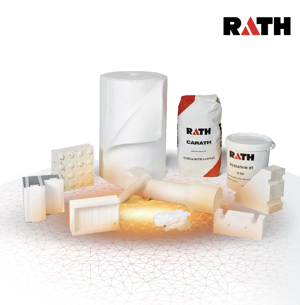
Wind-powered electrification: An industrial revolution awaits
See how industrial electrification with wind energy drives decarbonization, boosts efficiency and paves the way to a sustainable future.