Search
643 hits
643 hits on ”all pages” in entire website
Inspiring stories
Discover Inspiring Stories Explore real-world stories of innovation, sustainability, and problem-solving from across industries. Learn how Kanthal® technologies make a difference and get inspired by the people driving change. storyVideos
Discover Videos Watch our “How To” video series where we answer frequently asked questions about our materials and heating elements. Get quick, practical insights straight from our experts. videoTubothal®
TUBOTHAL® – THE MOST POWERFUL METALLIC ELEMENT SYSTEM Tubothal® is an ideal electric element used in combination with powder metallurgy tubes because of its great advantages, such as – very high power – long life – low weight – easy to design to existing power controls and supply. Combined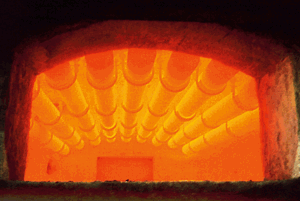
Key data for Kanthal® elements
Wire elements Element systems Spiral Spiral Porcupine Rod over bend Corrugated Looped Supports Ceramic tubes Grooves Ceramic tubes Metallic rods Metallic staples Ceramic tubes Material Sillimanite Chamotte grade 28 Sillimanite Kanthal® APM U-shaped Kanthal® nails Sillimanite Max.
Operating life and maximum permissible temperature
When heated, resistance heating alloys form an oxide layer on their surface, which prevents further oxidation of the material. To accomplish this function the oxide layer must be dense and resist the diffusion of gasses. It must also be thin and adhere to the metal under temperature
Stranded resistance heating wire
Recognizing the need for more precisely controlled stranded wire within the heat treatment industry and working closely with our cable customers, Kanthal has developed a range of stranded resistance wires in the well known Nikrothal®, Kanthal® and nickel alloys. Content: Strand diameter
Nickel-iron alloys
NICKEL-IRON (NiFe) ALLOYS Nickel-iron (NiFe) alloys for up to 600°C (1110°F): Nifethal® 70 and Nifethal® 52 are alloys with low resistivity and high temperature coefficient of resistance. The positive temperature coefficient allows heating elements to reduce power as temperature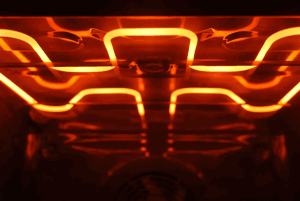
Copper-nickel alloys
COPPER-NICKEL (CuNi) ALLOYS Copper-nickel (CuNi) alloy Cuprothal® 49 (universally known as Constantan) is manufactured under controlled conditions from electrolytic copper and pure nickel. Cuprothal® 49 has a number of special characteristics – some electrical, some mechanical – which
Austenitic alloys
Austenitic alloys AUSTENITIC (NiCr) ALLOYS Nickel-chrome (NiCr) alloys possess high mechanical strength that is maintained even at elevated temperatures, making them ideal for use as heat-resistant materials in various industrial processes. Kanthal’s range of NiCr alloy products, branded as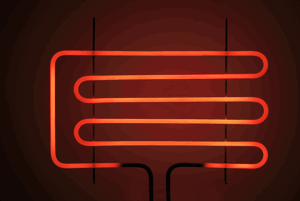
Ferritic alloys
FERRITIC (FeCrAl) ALLOYS These alloys are known for their high electrical resistivity and exceptional resistance to hightemperature oxidation, making them ideal for use as electric heating elements and resistance materials in electronic equipment. Our range of FeCrAl alloys, branded as